Notebook 3
Adjective Declension & Vegetables
Gemüsevokabular mit Adjektivdeklination
Three rules that take you most of the way
Adjective Declension
Do you know the myth of Sisyphus? Contrary to popular belief, Sisyphus was not an unhappy man. He knew he would never succeed in his task, yet he pushed the stone every day with determination.
But one night he had a nightmare: he dreamed that his work actually did not matter at all — that it was not the right task. Thank God it was only a dream, and the next day he continued doing his duty.
Writing or speaking adjective declensions correctly every single time should not define who you are. It is certainly not your mission in life. If you get it right most of the time, that is already good enough.
Here are three simple rules that will get you there most of the time.
Rule 1 — After der / die / das (definite article)
When there is a definite article, the adjective ending is usually simple.
- Nominative singular → -e: der gute Mann / die gute Frau / das gute Kind
- Almost everywhere else → -en: mit dem guten Mann / die guten Leute / den guten Mann
Think of it this way: the definite article already carries the strong grammatical signal (der/die/das), so the adjective just adds a soft -e or -en without needing to repeat that signal.
Rule 1 — Definite article endings at a glance
| Case | Masculine | Feminine | Neuter | Plural |
|---|---|---|---|---|
| Nominative | der gute Mann | die gute Frau | das gute Kind | die guten Leute |
| Accusative | den guten Mann | die gute Frau | das gute Kind | die guten Leute |
| Dative | dem guten Mann | der guten Frau | dem guten Kind | den guten Leuten |
Rule 2 — After ein / kein / mein / dein / sein / ihr / unser / euer
If the article does not show the grammatical ending, the adjective shows it instead. This happens in nominative singular (masculine and neuter) and accusative singular neuter.
- ein guter Mann (masculine nominative — the adjective carries the -r signal)
- eine gute Frau (feminine nominative — article already shows -e, adjective adds -e too)
- ein gutes Kind (neuter nominative — the adjective carries the -s signal)
- When the article already shows the ending → adjective becomes -en: mit einem guten Mann / einen guten Mann
A useful shortcut: look at the article. If it ends with a clear case signal (-r, -e, -s, -m, -n), the adjective just takes -en. If the article looks 'empty' (ein, kein without an ending), the adjective steps up and adds the signal itself.
Rule 2 — Indefinite article endings at a glance
| Case | Masculine | Feminine | Neuter |
|---|---|---|---|
| Nominative | ein guter Mann | eine gute Frau | ein gutes Kind |
| Accusative | einen guten Mann | eine gute Frau | ein gutes Kind |
| Dative | einem guten Mann | einer guten Frau | einem guten Kind |
Rule 3 — With no article
If there is no article at all, the adjective must carry the full grammatical ending — basically the same endings as the definite article (der/die/das).
- guter Mann (like 'der' → -r)
- gute Frau (like 'die' → -e)
- gutes Kind (like 'das' → -s)
- mit gutem Mann / mit guter Frau (dative — the adjective carries -m or -r)
This pattern appears often in fixed expressions, menus, and headlines — for example: frischer Kaffee, gutes Brot, kaltes Bier. The adjective has to do the full grammatical work on its own.
Rule 3 — No article: adjective carries the full ending
| Case | Masculine | Feminine | Neuter |
|---|---|---|---|
| Nominative | guter Mann | gute Frau | gutes Kind |
| Accusative | guten Mann | gute Frau | gutes Kind |
| Dative | gutem Mann | guter Frau | gutem Kind |
Word Cards
Gemüse — Vegetables
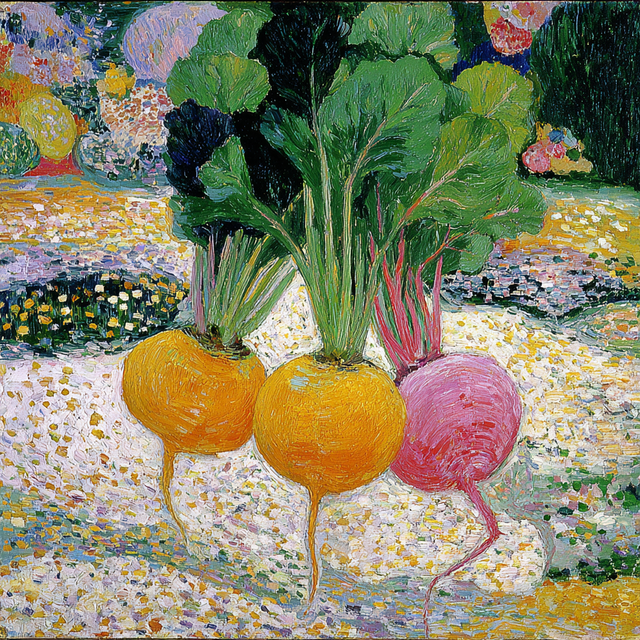
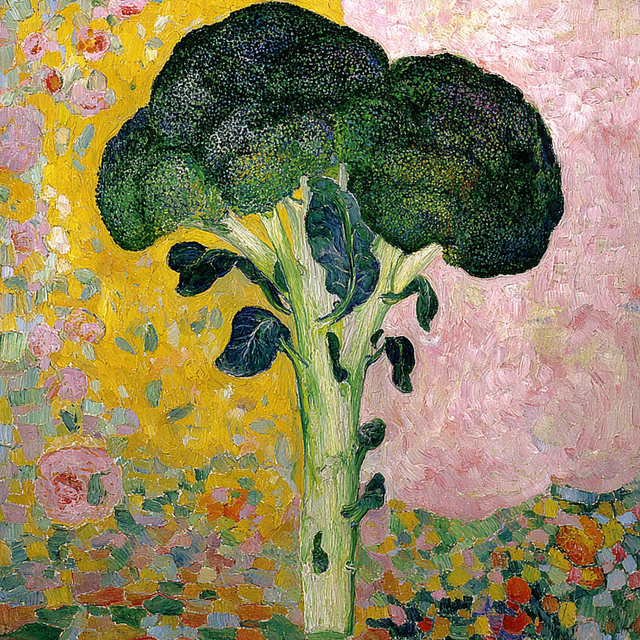
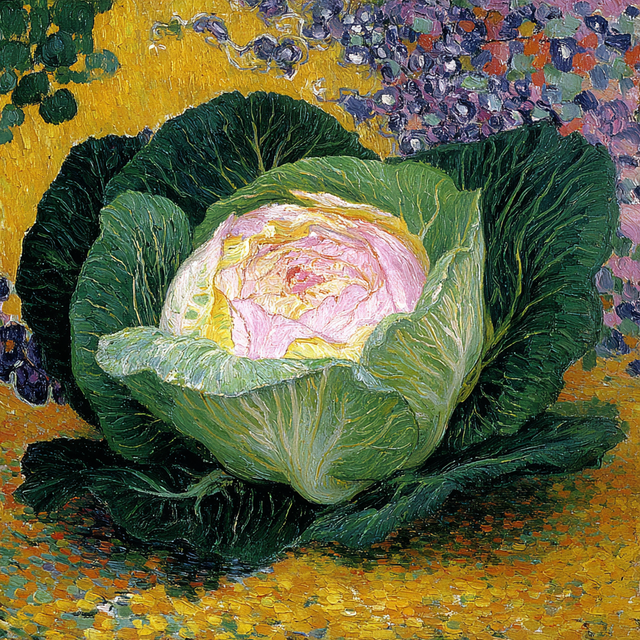
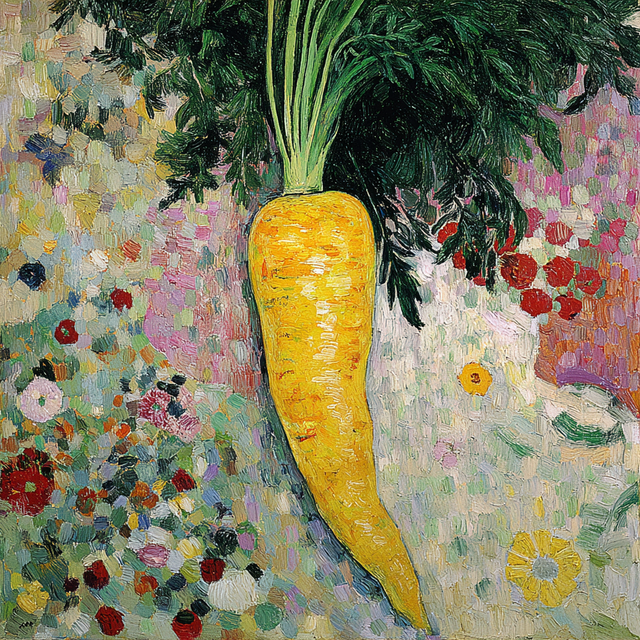
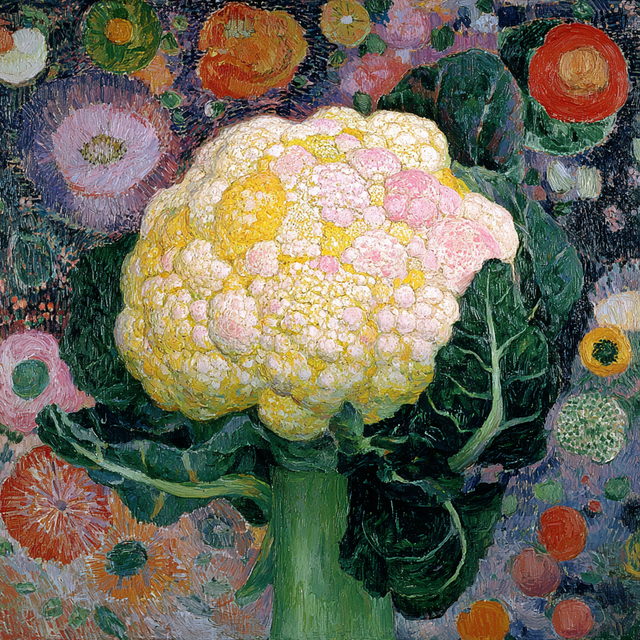
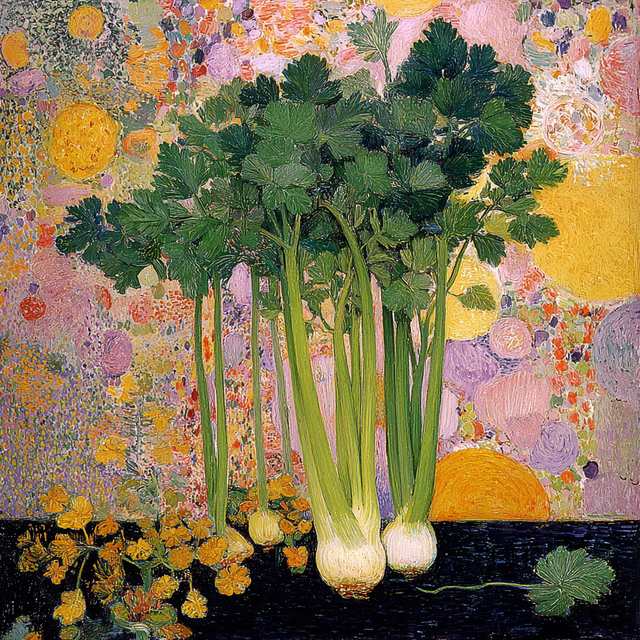
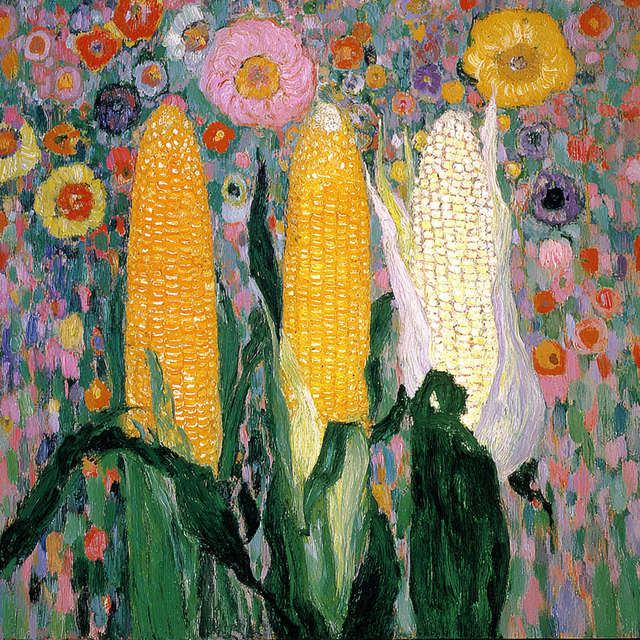
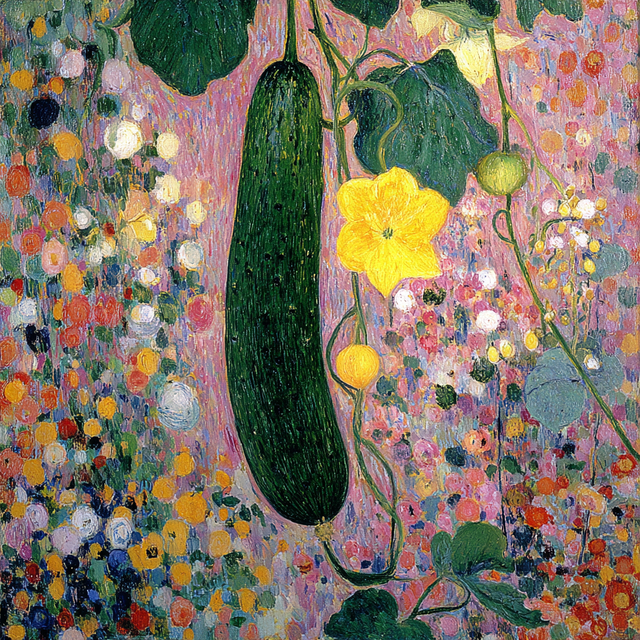
Study each vegetable, then complete the fill-in-the-blank sentence. Nouns are color-coded by gender: green = masculine, red = feminine, blue = neuter.
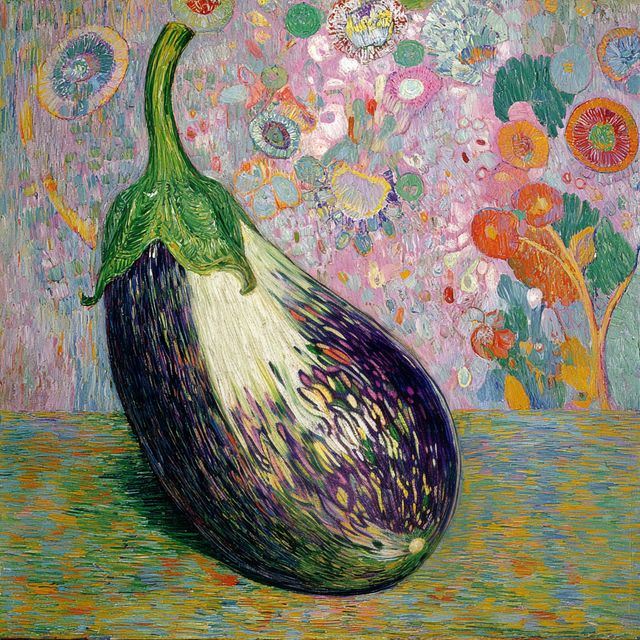
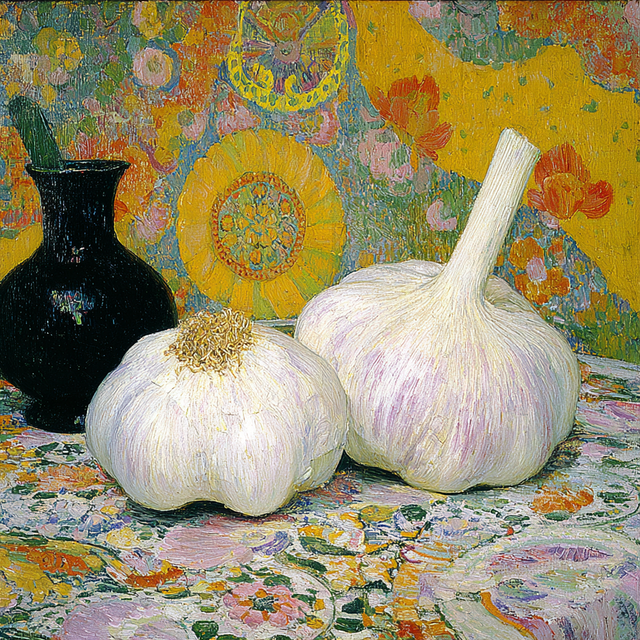
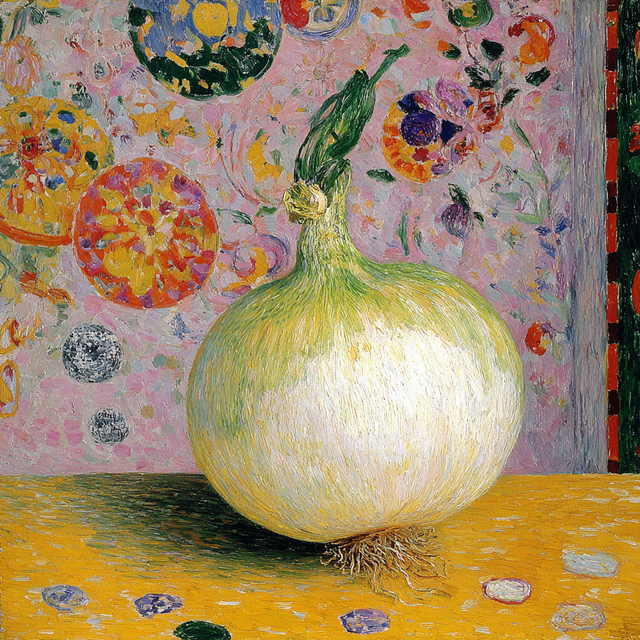
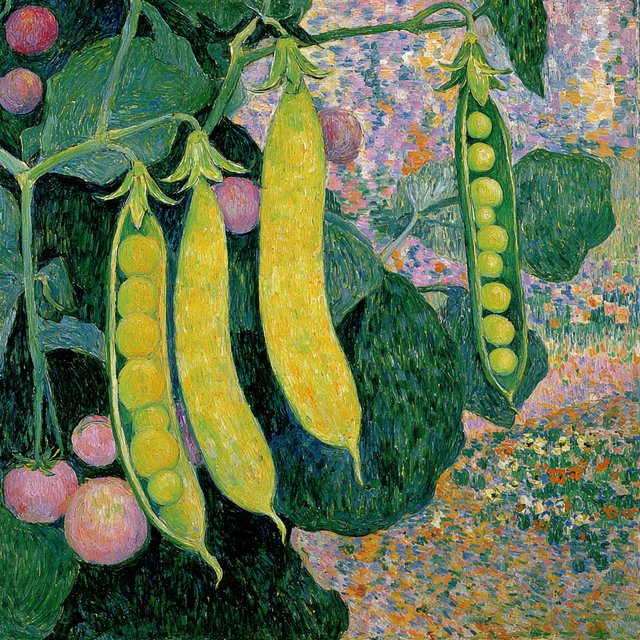
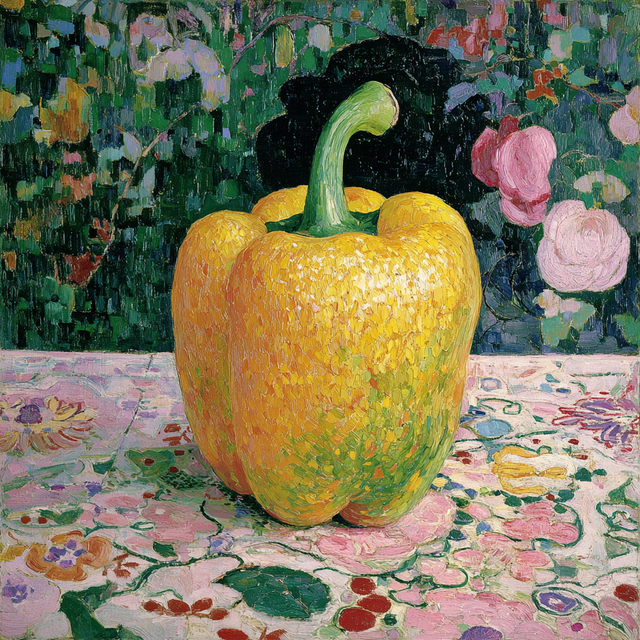
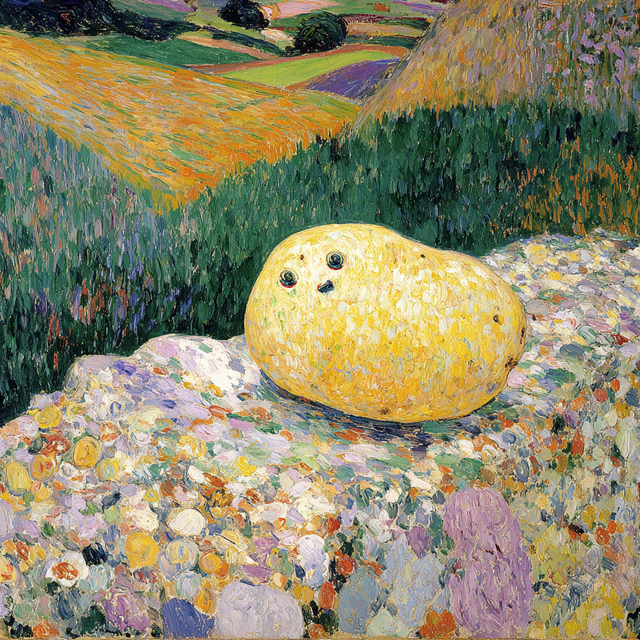
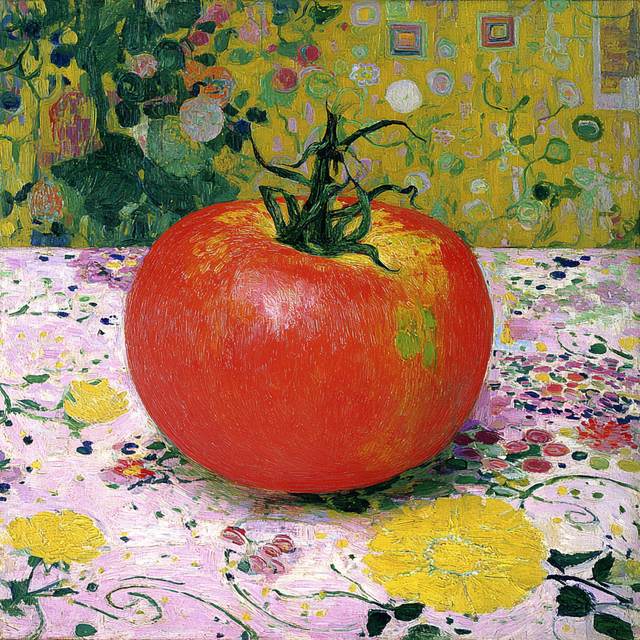
Adjektivdeklination & Gemüsevokabular
Gemischte Übungen
Apply your adjective declension knowledge to the vegetable vocabulary. Complete the sentences with the correct adjective ending or noun.
Solutions
Answer Key
Word Cards
- beetrootdie Rote Bete (Rote Bete)
- broccolider Brokkoli (Brokkoli)
- cabbageder Kohl (Kohl)
- carrotdie Karotte (Karotte)
- cauliflowerder Blumenkohl (Blumenkohl)
- celeryder Sellerie (Sellerie)
- cornder Mais (Mais)
- cucumberdie Gurke (Gurke)
- eggplantdie Aubergine (Aubergine)
- garlicder Knoblauch (Knoblauch)
- oniondie Zwiebel (Zwiebel)
- peasdie Erbse (pl. die Erbsen) (Erbsen)
- pepperdie Paprika (Paprika)
- potatodie Kartoffel (Kartoffel)
- spinachder Spinat (Spinat)
- tomatodie Tomate (Tomate)
- zucchinidie Zucchini (Zucchini)
Exercises
- Auf dem Markt kaufe ich immer frisch en Spinat.
- Ich esse gerne die gekochte Kartoffel mit Butter.
- Das ist ein sehr gut er Brokkoli für dieses Rezept.
- Mit dem frisch en Knoblauch schmeckt die Soße viel besser.
- Die klein e Tomate auf meinem Teller ist besonders süß.
- Ich habe eine jung e Zucchini aus dem Garten gepflückt.
 libraryuniverse· https://libraryuniverse.com · Copyright 2026 libraryuniverse· https://libraryuniverse.com · Copyright 2026 | ||||||||||||||||||||||||||||||||||||||||||||||||||||
Three rules that take you most of the way Adjective DeclensionDo you know the myth of Sisyphus? Contrary to popular belief, Sisyphus was not an unhappy man. He knew he would never succeed in his task, yet he pushed the stone every day with determination. But one night he had a nightmare: he dreamed that his work actually did not matter at all — that it was not the right task. Thank God it was only a dream, and the next day he continued doing his duty. Writing or speaking adjective declensions correctly every single time should not define who you are. It is certainly not your mission in life. If you get it right most of the time, that is already good enough. Here are three simple rules that will get you there most of the time. Rule 1 — After der / die / das (definite article) When there is a definite article, the adjective ending is usually simple.
Think of it this way: the definite article already carries the strong grammatical signal (der/die/das), so the adjective just adds a soft -e or -en without needing to repeat that signal. Rule 1 — Definite article endings at a glance
Rule 2 — After ein / kein / mein / dein / sein / ihr / unser / euer If the article does not show the grammatical ending, the adjective shows it instead. This happens in nominative singular (masculine and neuter) and accusative singular neuter.
A useful shortcut: look at the article. If it ends with a clear case signal (-r, -e, -s, -m, -n), the adjective just takes -en. If the article looks 'empty' (ein, kein without an ending), the adjective steps up and adds the signal itself. Rule 2 — Indefinite article endings at a glance
Rule 3 — With no article If there is no article at all, the adjective must carry the full grammatical ending — basically the same endings as the definite article (der/die/das).
This pattern appears often in fixed expressions, menus, and headlines — for example: frischer Kaffee, gutes Brot, kaltes Bier. The adjective has to do the full grammatical work on its own. Rule 3 — No article: adjective carries the full ending
Word Cards Gemüse — VegetablesStudy each vegetable, then complete the fill-in-the-blank sentence. Nouns are color-coded by gender: green = masculine, red = feminine, blue = neuter. beetroot In diesem Salat ist frische drin. broccoli Sie dämpft den , damit er weich wird. cabbage Der riecht beim Kochen sehr intensiv. carrot Er schneidet eine in kleine Stücke. cauliflower Wir braten den in der Pfanne an. celery Sie legt frischen in den Einkaufskorb. corn Er isst gerne direkt vom Kolben. cucumber Er schneidet die in Scheiben für den Salat. eggplant Die hat eine dunkellila Schale. garlic Frischer macht die Soße viel aromatischer. onion Beim Schneiden einer tränen die Augen. peas Er gibt gefrorene direkt in die heiße Suppe. pepper Die gelbe ist besonders mild und aromatisch. potato Er kocht die mit Salz und Butter. spinach Frischer fällt beim Kochen stark zusammen. tomato Er legt eine reife auf das Brot. zucchini Sie brät die mit Knoblauch in der Pfanne an. Adjektivdeklination & Gemüsevokabular Gemischte ÜbungenApply your adjective declension knowledge to the vegetable vocabulary. Complete the sentences with the correct adjective ending or noun. 1.Auf dem Markt kaufe ich immer frisch Spinat.adjective ending after 'immer frisch' with no article — masculine accusative (Spinat) 2.Ich esse gerne die gekochte mit Butter.potato (feminine) — what are we eating? 3.Das ist ein sehr gut Brokkoli für dieses Rezept.adjective ending after 'ein' — masculine nominative (Brokkoli) 4.Mit dem frisch Knoblauch schmeckt die Soße viel besser.adjective ending after 'dem' — dative (Knoblauch, masculine) 5.Die klein Tomate auf meinem Teller ist besonders süß.adjective ending after 'die' — feminine nominative (Tomate) 6.Ich habe eine jung Zucchini aus dem Garten gepflückt.adjective ending after 'eine' — feminine accusative (Zucchini) Solutions Answer KeyWord Cards
Exercises
|