Notebook 6
Reflexive Verben und Körperteile
Akkusativ und Dativ mit Körperteilen sicher anwenden
Strukturen, Pronomen und typische Muster mit Körperteilen
Reflexive Verben (Reflexive Verbs)
Reflexive Verben (Reflexive Verbs)
Reflexive verbs are verbs where the subject and the object refer to the same person — the action "reflects back" onto the doer. In German, they are formed with a reflexive pronoun (Reflexivpronomen) and are extremely common in everyday speech, especially with body-related actions.
What Is a Reflexive Verb?
A reflexive verb describes an action that a person performs on or for themselves.
- Ich wasche mich. — I wash myself.
- Er rasiert sich. — He shaves (himself).
- Sie kämmt sich die Haare. — She combs her hair.
The key element is the reflexive pronoun, which changes depending on the subject.
Reflexive Pronouns
There are two sets of reflexive pronouns in German: accusative and dative. The accusative set is used when the reflexive pronoun is the direct object. The dative set is used when there is already another object in the sentence (usually a body part).
Accusative Reflexive Pronouns
| Person | Pronoun | Example |
|---|---|---|
| ich | mich | Ich wasche mich. |
| du | dich | Du wäschst dich. |
| er / sie / es | sich | Er wäscht sich. |
| wir | uns | Wir waschen uns. |
| ihr | euch | Ihr wäscht euch. |
| sie / Sie | sich | Sie waschen sich. |
Dative Reflexive Pronouns
| Person | Pronoun | Example |
|---|---|---|
| ich | mir | Ich wasche mir die Hände. |
| du | dir | Du wäschst dir die Hände. |
| er / sie / es | sich | Er wäscht sich die Hände. |
| wir | uns | Wir waschen uns die Hände. |
| ihr | euch | Ihr wäscht euch die Hände. |
| sie / Sie | sich | Sie waschen sich die Hände. |
Dative Reflexive Pronouns
Note: For er/sie/es, sie (plural), and Sie (formal), both accusative and dative use sich. Only ich and du have distinct dative forms (mir / dir).
Accusative vs. Dative: When to Use Which
This is one of the most important distinctions with reflexive verbs.
Use the accusative pronoun when the reflexive pronoun is the only object in the sentence:
- Ich setze mich. — I sit down.
- Sie zieht sich an. — She gets dressed.
- Er verletzt sich. — He injures himself.
Use the dative pronoun when there is a separate accusative object in the sentence — most often a body part or piece of clothing:
- Ich wasche mir die Hände. (die Hände = accusative object)
- Er bricht sich den Arm. (den Arm = accusative object)
- Sie schminkt sich die Augen. (die Augen = accusative object)
A helpful rule: if you can see a body part in the sentence, you almost certainly need the dative pronoun.
Common Reflexive Verbs with Body Parts
| Verb | Meaning | Example |
|---|---|---|
| sich waschen | to wash oneself | Ich wasche mir das Gesicht. |
| sich kämmen | to comb one's hair | Er kämmt sich die Haare. |
| sich rasieren | to shave | Er rasiert sich den Bart. |
| sich schminken | to put on make-up | Sie schminkt sich die Lippen. |
| sich verletzen | to injure oneself | Sie hat sich den Knöchel verletzt. |
| sich brechen | to break (a bone) | Er hat sich den Arm gebrochen. |
| sich putzen | to clean (teeth, etc.) | Ich putze mir die Zähne. |
| sich anziehen | to get dressed | Das Kind zieht sich an. |
| sich ausziehen | to get undressed | Sie zieht sich aus. |
| sich strecken | to stretch | Ich strecke mich nach dem Aufwachen. |
| sich setzen | to sit down | Setz dich bitte hin. |
| sich legen | to lie down | Er legt sich auf die Couch. |
Word Order
In a standard main clause, the reflexive pronoun follows the conjugated verb directly.
- Ich wasche mich jeden Morgen.
- Er hat sich die Hände gewaschen.
In subordinate clauses, the reflexive pronoun follows the subject:
- ..., weil ich mich jeden Morgen wasche.
- ..., obwohl er sich den Arm gebrochen hat.
Truly Reflexive Verbs
Some verbs only exist in reflexive form — they have no non-reflexive counterpart. These must always be learned with sich:
Truly Reflexive Verbs
| Verb | Meaning |
|---|---|
| sich befinden | to be located / to feel (formal) |
| sich beeilen | to hurry |
| sich erholen | to recover / to rest |
| sich erkälten | to catch a cold |
| sich freuen | to be happy / to look forward to |
| sich irren | to be mistaken |
| sich schämen | to be ashamed |
| sich weigern | to refuse |
Truly Reflexive Verbs
These verbs always take the accusative reflexive pronoun because there is no second object.
Reflexive Verbs in the Perfect Tense
Reflexive verbs always form the Perfekt with haben, regardless of whether they imply movement.
- Ich habe mich gewaschen.
- Sie hat sich die Haare gekämmt.
- Er hat sich verletzt.
The reflexive pronoun stays in its usual position, directly after the auxiliary haben:
- Ich habe mich gestern erkältet.
- Wir haben uns sehr gefreut.
Summary
- Reflexive verbs use a reflexive pronoun that refers back to the subject.
- Use accusative (mich, dich, sich, uns, euch) when there is no other object.
- Use dative (mir, dir, sich, uns, euch) when a body part or other noun is the direct object.
- Body part sentences in German never use a possessive adjective — use the dative reflexive pronoun + definite article instead (mir die Hände, not meine Hände).
- Truly reflexive verbs must always be learned with sich as part of the infinitive.
Word Cards
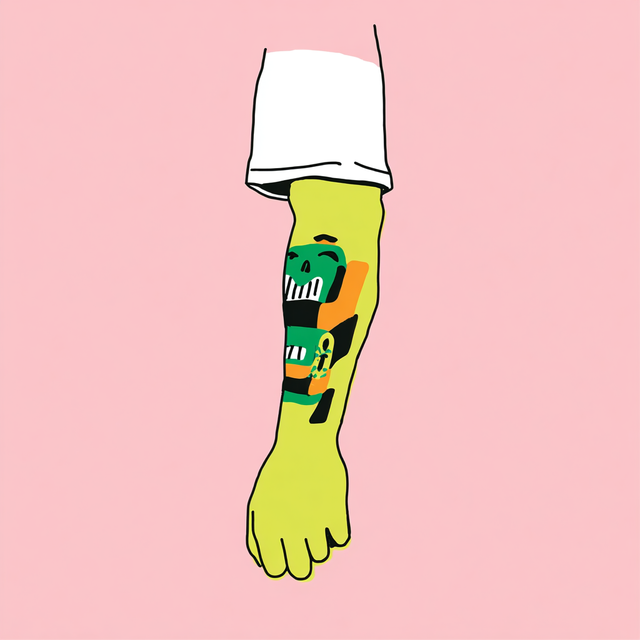
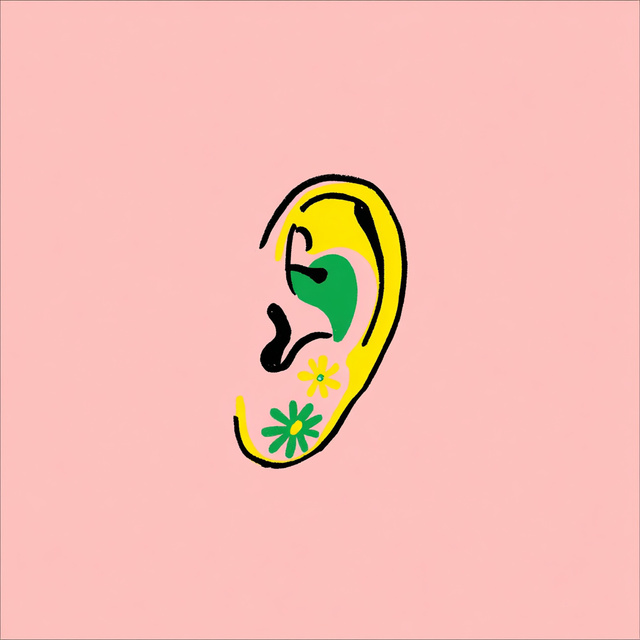
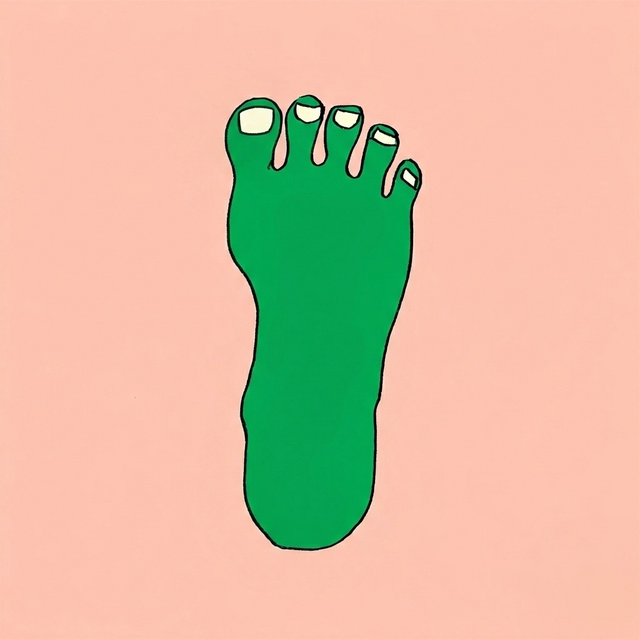
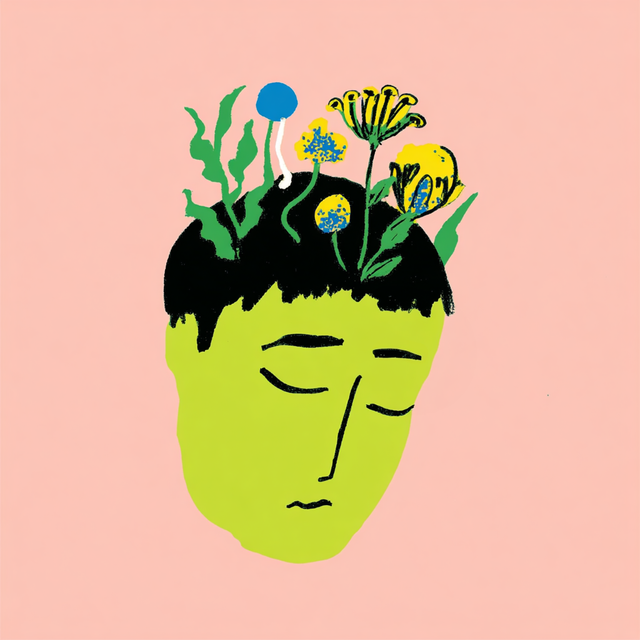
Körperteile: Word Cards
Ergänze das passende Körperteil im Singular.




20 Übungen zu reflexiven Verben
Practice
Fülle jede Lücke mit dem passenden Reflexivpronomen oder der passenden Form.
Solutions
Answer Key
Word Cards
- armder Arm / die Arme (Arm)
- eardas Ohr / die Ohren (Ohr)
- eyedas Auge / die Augen (Auge)
- footder Fuß / die Füße (Fuß)
- handdie Hand / die Hände (Hand)
- headder Kopf / die Köpfe (Kopf)
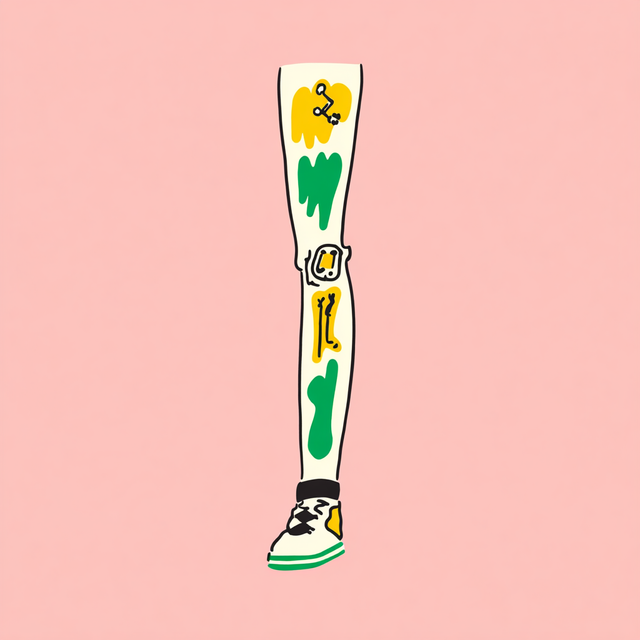
- legdas Bein / die Beine (Bein)
- mouthder Mund / die Münder (Mund)
- nosedie Nase / die Nasen (Nase)
Exercises
- Ich wasche mir die Hände grundlich.
- Du putzt dir die Zahne jeden Abend.
- Er hat sich den Arm gebrochen.
- Wir kämmen uns die Haare.
- Ihr habt euch die Augen geschminkt.
- Sie hat sich das Bein verletzt.
- Ich rasiere mich jeden Morgen.
- Du ziehst dich schnell an.
- Er streckt sich sofort.
- Wir legen uns früh hin.
- Setzt ihr euch bitte?
- Ich spüle mir den Mund aus.
- Sie fasst sich an die Nase.
- Du hast dir das Ohr gestoßen.
- Er wäscht sich den Kopf.
- Wir brechen uns hoffentlich nie wieder den Fuß.
- Ich habe mich am Kopf verletzt.
- Du solltest dir die Hände waschen.
- Danach entspanne ich mich.
- Obwohl er müde war, hat er sich nicht hingelegt.
 libraryuniverse· https://libraryuniverse.com · Copyright 2026 libraryuniverse· https://libraryuniverse.com · Copyright 2026 | |||||||||||||||||||||||||||||||||||||||||||||||||||||||||||||||||||||||||||||||||||||||||||||||||||
Strukturen, Pronomen und typische Muster mit Körperteilen Reflexive Verben (Reflexive Verbs)Reflexive Verben (Reflexive Verbs) Reflexive verbs are verbs where the subject and the object refer to the same person — the action "reflects back" onto the doer. In German, they are formed with a reflexive pronoun (Reflexivpronomen) and are extremely common in everyday speech, especially with body-related actions. What Is a Reflexive Verb? A reflexive verb describes an action that a person performs on or for themselves.
The key element is the reflexive pronoun, which changes depending on the subject. Reflexive Pronouns There are two sets of reflexive pronouns in German: accusative and dative. The accusative set is used when the reflexive pronoun is the direct object. The dative set is used when there is already another object in the sentence (usually a body part). Accusative Reflexive Pronouns
Dative Reflexive Pronouns
Dative Reflexive Pronouns Note: For er/sie/es, sie (plural), and Sie (formal), both accusative and dative use sich. Only ich and du have distinct dative forms (mir / dir). Accusative vs. Dative: When to Use Which This is one of the most important distinctions with reflexive verbs. Use the accusative pronoun when the reflexive pronoun is the only object in the sentence:
Use the dative pronoun when there is a separate accusative object in the sentence — most often a body part or piece of clothing:
A helpful rule: if you can see a body part in the sentence, you almost certainly need the dative pronoun. Common Reflexive Verbs with Body Parts
Word Order In a standard main clause, the reflexive pronoun follows the conjugated verb directly.
In subordinate clauses, the reflexive pronoun follows the subject:
Truly Reflexive Verbs Some verbs only exist in reflexive form — they have no non-reflexive counterpart. These must always be learned with sich: Truly Reflexive Verbs
Truly Reflexive Verbs These verbs always take the accusative reflexive pronoun because there is no second object. Reflexive Verbs in the Perfect Tense Reflexive verbs always form the Perfekt with haben, regardless of whether they imply movement.
The reflexive pronoun stays in its usual position, directly after the auxiliary haben:
Summary
Word Cards Körperteile: Word CardsErgänze das passende Körperteil im Singular. arm Er hebt den . ear Mein . eye Sie schließt das . foot Ich habe mir den . hand Sie hebt die . head Ich wasche mir den . leg Er streckt das . mouth Bitte öffne den . nose Sie putzt sich die . 20 Übungen zu reflexiven Verben PracticeFülle jede Lücke mit dem passenden Reflexivpronomen oder der passenden Form. 1.Ich wasche die Hände grundlich.(Dativ, ich-Form) 2.Du putzt die Zahne jeden Abend.(Dativ, du-Form) 3.Er hat den Arm gebrochen.(Dativ, er-Form) 4.Wir kämmen die Haare.(Dativ, wir-Form) 5.Ihr habt die Augen geschminkt.(Dativ, ihr-Form) 6.Sie hat das Bein verletzt.(Dativ, sie-Form) 7.Ich rasiere jeden Morgen.(Akkusativ, ich-Form) 8.Du ziehst schnell an.(Akkusativ, du-Form) 9.Er streckt sofort.(Akkusativ, er-Form) 10.Wir legen früh hin.(Akkusativ, wir-Form) 11.Setzt ihr bitte?(Akkusativ, ihr-Form) 12.Ich spüle den Mund aus.(Dativ, ich-Form) 13.Sie fasst an die Nase.(Akkusativ, sie-Form) 14.Du hast das Ohr gestoßen.(Dativ, du-Form) 15.Er wäscht den Kopf.(Dativ, er-Form) 16.Wir brechen hoffentlich nie wieder den Fuß.(Dativ, wir-Form) 17.Ich habe am Kopf verletzt.(Akkusativ, ich-Form) 18.Du solltest die Hände waschen.(Dativ, du-Form) 19.Danach entspanne ich .(Akkusativ, ich-Form) 20.Obwohl er müde war, hat er nicht hingelegt.(Akkusativ, er-Form) Solutions Answer KeyWord Cards
Exercises
|